


WOMEN’S HEALTH
A newsletter from El Camino Women’s Medical Group
| 2025, Issue 4 | www.ElCaminoWomen.com | Oct 13, 2025 |

Time flies, here were are in the last few months of 2025! I hope everyone is working on plans for upcoming holidays.
The office has been busy. Dr. Balassiano is back, with a full clinic. Angel Wong, our physician’s assistant, has been wonderful for earlier access to appointments. For those seeking therapy or counseling with Faradebah Waziri, LCSW, reach out soon. We anticipate expanding her hours in the next few months, and individuals on her wait list will be scheduled first.
In this last issue of 2025, we have outstanding contributions from excellent clinicians in a variety of specialties. Dr. Chaung has written about facial masses, Mariam has offered a wonderful recipe to help you feel full, and Dr. Allen has written about the unequal impacts on women as estrogen levels change. There are more articles on pelvic cancers, being tired all the time, relationship advice, PMS, and the link between trauma and your physical health.
Please read the Practice Updates section regarding the wide resources available to you at our office. For next year, we’ll be shifting the newsletter to a month later than we have historically sent it. You can look forward to the first issue of 2026 in February.
I wish you all a wonderful winter and all the holidays to look forward to,
In this issue:
All About Parotid Gland Masses
Zucchini Soup: Could this be Your Natural Satiety Tool?
The Unequal Toll of Estrogen Deficiency: Why Some Women Suffer More Severely
Always Tired? What Might Be Going On
What you Secretly Wanted To Know (but Have Been Afraid to Ask) About Gynecologic Cancers
A Bump in The Road – The Plant and The Balloons
Understanding the Link Between Trauma and Physical Health
Beyond PMS: The Importance of Recognizing and Treating Premenstrual Dysphoric Disorder
El Camino Hospital Visitor Policy Updates
Highlights from our Women’s Health Blog
Practice Updates
A farewell to Dr. Dorismond
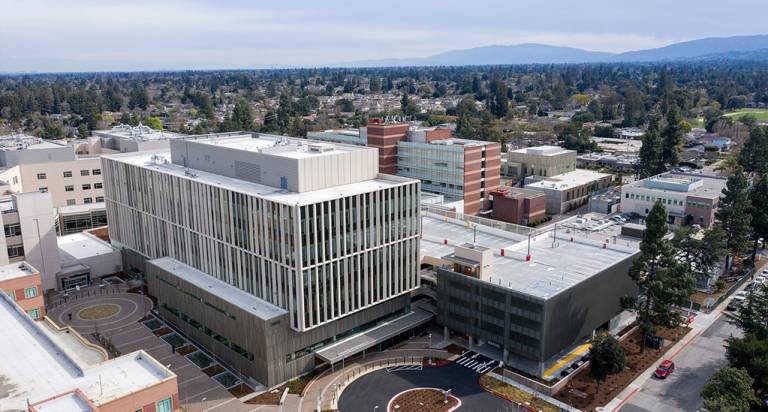
Dr. Vanessa Dorismond’s last day at El Camino Women’s Medical Group was August 31, 2025. All patients should have been rescheduled by now.
The physicians at ECWMG will be available to see her patients for ongoing care. Everyone’s health records will remain with us at ECWMG and will be available through the patient portal or the Healow app. For those who wish to transfer records, a release form can be found here. Dr. Dorismond has not yet started up in outpatient practice but will update her Yelp page when she does.
Mental Health Access
Dr. Rania Awaad and therapist Faradebah Waziri, LCSW, are both available to patients seeking counseling or support for mental health conditions. We anticipate more availability in the next 2-3 months. If you are interested in an initial appointment, call, email, or message (through healow) the office. There are screening questionnaires that need to be completed. If no immediate appointment is available, you may be placed on a waitlist until additional availability opens.
Dr. Balassiano is back
Dr. Balassiano started seeing patients on September 2nd of this year. If you want to reach out for an appointment, please do so by email or through the patient portal.
Mariam, our nutritionist, is seeing patients for dietary evaluation and counseling. Her experience is vast, supporting women dealing with prediabetes and hyperlipidemia to those struggling with PCOS or perimenopause/menopause. She has a masters in Human Nutrition from the University of Aberdeen (Scotland), and has over eight years of experience working in nutrition at the individual and communal levels. She is ready to help all of you with your health goals. If you are interested in an initial appointment, call, email, or message the front desk (through healow). She sees patients by televisit on Tuesdays, Wednesdays, and Thursdays, and appointments are in-network with your insurance.
Since we first started publishing this newsletter in 2016, at the behest of Dr. Katherine Sutherland, we’ve been on a Jan, Apr, July, Oct schedule. With all the other end-of-the-quarter work we have now, we’ve decided to shift this schedule by a month to Feb, May, Aug, Nov.
Online Prenatal and Women’s Health Classes

Prenatal Classes
We are now offering four virtual prenatal classes a month online. These classes cover preparing for childbirth, breastfeeding, and newborn care. These classes have been very popular, and we plan to have them every month. They are also available for women interested in signing up, though we prioritize our patients.
Virtual Breastfeeding Class
This is a 2-hour class presented by Nadia, RN, our lactation educator. The class is a virtual, in-depth review of breastfeeding. Learn how to get the best start, avoid pain, make sure your baby is getting enough, and when to ask for help!
Virtual Newborn Care & Safety Class
2.5-hour class presented by Nadia, RN
Practical tips for caring for a newborn
- Appearance of newborn
- Normal skin conditions
- bathing & diaper changing
- safe sleeping
- Newborn safety:
- Car seat safety
- Choking hazards
- Poison control
- Childproofing your home
Childbirth Preparation Part One
2.5-hour class presented by Nadia, RN:
- The last month of pregnancy
- Preparing for the hospital
- Laboring at home, when to call and when to come in
- Admission to the hospital
- Active labor
- Pain management
Childbirth Preparation Part Two
2.5-hour class presented by Nadia, RN:
- The last stage of labor: pushing
- Vaginal delivery
- Cesarean delivery
- Initial recovery in the hospital
- The postpartum period
You can learn more about these classes or register here.
All About Parotid Gland Masses

By Katrina Chaung, M.D.
Board-certified Otolaryngology-Head and Neck Surgery
Camino Ear, Nose & Throat
(408) 227-6300
https://www.caminoent.com
The parotid gland is the largest of the salivary glands, located in the cheek just in front of and below the ear. It produces saliva that aids in digestion and oral lubrication. The saliva drains into the mouth through small ducts inside the mouth in your inner cheek area. The gland has both superficial and deep lobes, which are separated by the facial nerve. This nerve controls movement of your facial muscles such as closing your eyes and moving the corner of your lips to smile.
The parotid gland is the most common site of salivary gland tumors, accounting for approximately 80% of salivary gland tumors, the majority of which are benign. Of parotid gland tumors, about 75–80% are benign and 20–25% are malignant.
Evaluation of a parotid mass includes a physical examination to evaluate the size, consistency, mobility, and fixation of the mass, as well as if there are any enlarged lymph nodes in the neck. Attention is paid to assessing if there is any weakness of facial movement.
Further evaluation includes imaging, usually CT or MRI imaging, for information regarding the size, location within the gland, and involvement of any other surrounding structures. Tissue sampling is then usually recommended to help assess for malignancy or other pathologic information. Typically a fine needle aspiration biopsy is recommended. This is a relatively low risk and quick procedure that can be performed in the office under local anesthesia. Sometimes, if more material is needed, a core needle biopsy may be recommended, but this is rare.
Depending on the results of the biopsy, even if the results are reassuring, surgery to remove the mass is usually recommended. This usually entails removing the mass as well as surrounding parotid tissue. The approach and technique may depend on if the mass involves the superficial or the deep lobe. If the biopsy suggests a malignancy, a more comprehensive excision involving both the superficial and deep lobes may also be indicated.
A major consideration of surgery is identification and preservation of the important facial nerve. This nerve usually needs to be identified and traced in order to prevent an injury. Most of the time, special nerve monitoring is utilized during the surgery to help identify and keep the nerve safe. There are times, especially with malignant tumors, where branches of this facial nerve may need to be sacrificed in order to remove the tumor.
If you feel you have a mass in your cheek area or around your ear, you may need further evaluation.
By Katrina Chaung, M.D.
Board-certified Otolaryngology-Head and Neck Surgery
Camino Ear, Nose & Throat
(408) 227-6300
https://www.caminoent.com
Zucchini Soup: Could this Be Your Natural Satiety Tool?

By Mariam AlAgha
Master’s in Human Nutrition
ElCamino Women’s Medical Group
Have you ever noticed how a warm bowl of soup feels both comforting and surprisingly filling?
What if that same comfort food also steadied your digestion, satisfied your appetite, and nourished your body?
Why Think Beyond GLP-1 Medications?
GLP-1 receptor agonists (“GLP shots”) are well known for slowing digestion and enhancing fullness. Yet, many women also experience side effects such as nausea, constipation, and nutrient depletion.
After more than a decade working closely with women, I’ve seen how exhausting restrictive diets and quick fixes can feel. That experience has guided me toward solutions that nourish rather than deplete — approaches rooted in care, sustainability, and respect for women’s bodies.
So here’s the question: what if food itself could mimic some of those satiety-promoting effects — but with comfort, hydration, and antioxidants included?
That’s where zucchini soup comes in.
Why Soup Works
Is it the warmth that soothes? The water that hydrates? Or the fiber that quietly keeps you satisfied? Maybe it’s all of the above.
- Hydration & Digestion: High water content supports kidney function and smoother digestion.
- Satiety & Weight Control: Fiber + water slow gastric emptying, helping you feel full with fewer calories.
- Nutrient Retention: Cooking vegetables in broth keeps valuable vitamins and minerals intact — and you drink them in the soup.
- Gentle & Digestible: Warm, soft vegetables are easy on the gut.
- Disease Prevention: Phytochemicals and antioxidants reduce inflammation, supporting heart, metabolic, and immune health.
Spotlight on Zucchini: A Women’s Health Ally
Did you know zucchini is 95% water — yet still delivers potassium, vitamin C, fiber, and antioxidants?
Could something so light really leave you full and nourished?
Here’s what it offers:
- Antioxidants (lutein, zeaxanthin, beta-carotene) → protect eyes, skin, and cardiovascular health.
- Fiber + Water → ease constipation, soften stools, and support a healthy gut microbiome.
- Immune Boosters (vitamin C, B6, iron) → aid tissue repair and anemia prevention.
- Heart Health (potassium, magnesium, fiber) → help lower blood pressure and cholesterol.
- Weight Management → low calorie but filling; a perfect swap for pasta or rice.
- Skin Benefits → antioxidants guard against UV damage, improve hydration from within.
Zucchini at a Glance (per 1 medium, ~196 g raw)
- Calories: ~33 kcal
- Water: ~95%
- Vitamin C: ~35 mg (39% DV)
- Vitamin A (carotenoids): ~250 IU
- Vitamin B6 & K: present in meaningful amounts
- Minerals: ~500 mg potassium, plus manganese & magnesium
- Fiber: ~2 g (soluble + insoluble)
- Sodium: minimal
Best Cooking Methods for Nutrient Retention
- ✅ Steaming – Preserves >99% vitamins/minerals, since food doesn’t touch water.
- ✅ Simmering – Gentle cooking that lets nutrients seep into broth; drinking the soup means nothing is wasted.
- ✅ Sautéing with Olive Oil – Boosts absorption of fat-soluble antioxidants.
- ✅ Roasting – High heat enhances flavor and antioxidant activity.
- ✅ Raw – No nutrient loss at all.
- ❌ Avoid Boiling – Prolonged boiling leads to major vitamin C and B-vitamin losses.
💡 Tip: Keep the skin on and chop zucchini just before cooking to maximize antioxidants.
🥣 Anti-Inflammatory Zucchini Soup Recipe:
 (Servings: 2–3 | Prep: 10 min | Cook: 20 min)
Ingredients
- 1 Tbsp extra virgin olive oil
- 1 small onion, chopped
- 1 jalapeño (seeded) or ½ red bell pepper, chopped
- 3 medium zucchinis, chopped
- 1 tsp coriander seeds, lightly crushed
- ½ tsp turmeric (optional)
- ¼ tsp black pepper
- ½ tsp sea salt (adjust to taste)
- 2½ cups filtered water or low-sodium vegetable broth
- Juice of ½ lemon (optional)
Instructions
- Heat olive oil, sauté onion + pepper 5–7 min.
- Add zucchini + spices; cook 3–5 min.
- Add broth, simmer 10–15 min until tender.
- Blend until smooth + creamy.
- Finish with lemon juice.
Storage: Refrigerate 3–4 days or freeze 1 month.
Satiety Tip: Add 1 Tbsp psyllium husk for extra fullness.
💡 Nutrition Note: Simmering is perfect here — any vitamins that leach into the broth are kept in your soup.
How to Use It as a “Natural GLP”
- Pre-meal: 1 cup before lunch/dinner → helps reduce portions.
- Snack: Keeps blood sugar steady, prevents “sugar crash.”
- Routine: Aim for 2–3 servings/day for appetite control + digestion support.
⚠️ A Note of Caution
Zucchini soup is safe for most people, but a few may need to be careful. If you have kidney problems, large bowls of zucchini can raise potassium too much. For those with IBS, smaller portions may be easier on digestion. Rarely, people with ragweed or birch pollen allergies can react. Spicy add-ins may bother heartburn, and if you take blood thinners, it’s best to keep your veggie intake steady. Because zucchini can lower blood pressure a little, anyone who tends to run low should be mindful.
✅ For most, though, it’s a gentle, nourishing way to support weight, energy, and overall health.
Bottom Line
So many women are told to control appetite with medications or restrictive diets. But what if nourishment could achieve some of the same satiety — without side effects?
Zucchini soup isn’t magic, but it is simple, soothing, and satisfying. It hydrates, nourishes, and supports fullness in a way your body actually enjoys.
After a decade of working with women, I believe this deeply: your body deserves nourishment, not depletion. Zucchini soup is one small, powerful step in that direction.
So here’s my last question:
👉 When will you make your first pot?
Mariam AlAgha
Master’s in Human Nutrition
ElCamino Women’s Medical Group
The Unequal Toll of Estrogen Deficiency: Why Some Women Suffer More Severely
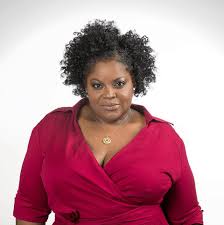
By Renée Simone Yolanda Allen, MD, MHSc, FACOG, Dipl.ABOG
Integrative Peri/Menopause Hormone Specialist |
Physician Executive Advisor | National Women’s Health Consultant |
Founder & CEO, Eterna Vitality & Wellness™
Clinic Email: moc.d1794580189mnell1794580189aeene1794580189r@tro1794580189ppus1794580189
Estrogen isn’t just a hormone—it’s a master regulator that touches nearly every system in the body, and its loss during menopause doesn’t affect all women equally. For some, the absence of estrogen creates mild disruptions. For others, it can lead to a cascade of severe and even life-threatening conditions. Understanding why this happens is key to recognizing the importance of hormone replacement therapy (HRT) in preventing long-term health complications.

Why Do Some Women Experience Worse Outcomes?
1. Genetic Susceptibilities: Certain genes can make women more prone to the adverse effects of estrogen deficiency. For example, genetic variants associated with bone density, cardiovascular health, and inflammatory markers can amplify risks.
2. Pre-existing Conditions: Women with underlying health issues like hypertension, autoimmune disorders, or metabolic syndrome may find their symptoms exacerbated by estrogen loss.
3. Lifestyle Factors: Smoking, poor diet, sedentary behavior, and chronic stress can worsen the effects of estrogen deficiency by accelerating inflammation and metabolic dysfunction.
4. Timing of Menopause: Women who experience early or sudden menopause, such as from surgery or chemotherapy, lose estrogen sooner and are at a higher risk for severe conditions like osteoporosis and cardiovascular disease due to a longer exposure to deficiency.
The Severe Health Consequences of Estrogen Deficiency
1. Hypertension and Heart Failure
• Mechanism: Estrogen plays a critical role in maintaining cardiovascular health. It directly influences mitochondrial function within heart cells, ensuring they have sufficient energy for optimal contraction and relaxation. When estrogen declines, mitochondria become less efficient, leading to reduced energy production, increased oxidative stress, and impaired heart muscle relaxation. This can contribute to heart failure with preserved ejection fraction (HFpEF), a condition characterized by stiff, poorly relaxing heart muscles despite normal pumping function. Additionally, estrogen helps maintain arterial elasticity and reduces inflammation. Without it, arterial stiffness increases, exacerbating hypertension and accelerating atherosclerosis.
• Impact: The loss of estrogen creates a cascade of cardiovascular challenges:
• Heart Muscle Dysfunction: Mitochondrial dysfunction in the heart leads to reduced energy availability and stiffened heart muscles, making it harder for the heart to relax between beats. This can result in HFpEF, a condition particularly common in postmenopausal women and more common among women than men, in general.
• Increased Arterial Stiffness: Estrogen helps keep arteries supple. Its absence leads to stiffer vessels, increased vascular resistance, and higher blood pressure.
• Atherosclerosis and Cholesterol Imbalance: Estrogen deficiency accelerates LDL cholesterol buildup while reducing HDL cholesterol, promoting plaque formation and increasing the risk of heart attacks and strokes.
• Prevention with HRT: Estrogen replacement therapy restores mitochondrial efficiency in heart cells, improving both energy production and heart muscle relaxation. It also reduces arterial stiffness and inflammation, which can mitigate the risks of hypertension, HFpEF, and atherosclerosis. Studies show that initiating HRT within the “critical window” after menopause can significantly lower the risk of cardiovascular complications.
2. Dementia and Cognitive Decline
• Mechanism: Estrogen supports synaptic plasticity and reduces amyloid-beta accumulation, which are crucial for memory and cognition.
• Impact: Estrogen deficiency is linked to an increased risk of Alzheimer’s disease and other dementias, especially in women with early menopause or severe sleep disturbances.
• Prevention with HRT: Studies show that initiating HRT within the “critical window” (within 10 years of menopause onset) can significantly reduce the risk of dementia.
3. Osteoporosis and Fractures
• Mechanism: Estrogen suppresses bone resorption. Without it, bone breakdown outpaces bone formation, leading to weakened bones.
• Impact: Women with estrogen deficiency are at a higher risk of fractures, especially in the hip and spine. Osteoporotic fractures are associated with significant disability and even mortality.
• Prevention with HRT: Estrogen replacement restores bone density and reduces the risk of fractures, often more effectively than bisphosphonates.
4. Colon and Breast Cancer
• Mechanism: Estrogen modulates immune function and inflammation, both of which play roles in cancer development. Its absence creates a chronic pro-inflammatory state.
• Impact: Postmenopausal women have an increased risk of colon cancer due to slowed gut motility and immune dysfunction. Chronic inflammation may also contribute to aggressive forms of breast cancer in the absence of estrogen.
• HRT Consideration: Balanced HRT can potentially reduce colon cancer risk, though it must be carefully managed to avoid exacerbating hormone-sensitive cancers.
5. Rheumatoid Arthritis and Autoimmune Conditions
• Mechanism: Estrogen helps regulate inflammatory cytokines. Its decline can tip the immune system into overdrive, triggering or worsening autoimmune diseases.
• Impact: Women often develop or experience flare-ups of rheumatoid arthritis and other autoimmune conditions post-menopause.
• Prevention with HRT: Estrogen therapy has been shown to decrease the severity of rheumatoid arthritis and improve quality of life for women with autoimmune diseases.
6. Pulmonary Embolism (PE) and Deep Vein Thrombosis (DVT)
• Mechanism: Estrogen plays a role in maintaining blood flow and reducing clotting risk. Its loss can increase coagulability and venous stasis.
• Impact: Postmenopausal women, especially those with risk factors like obesity or immobility, are at higher risk of PE and DVT.
• HRT Consideration: While some HRT formulations (oral estrogens) may increase clot risk, transdermal estrogens are generally considered safer for women at risk.
The impacts of estrogen deficiency are profound and far-reaching, touching every system in the body. What’s most heartbreaking is how many women are left to endure these challenges without answers, often feeling dismissed or misdiagnosed. Hormone replacement therapy (HRT) has the power to address these root causes, preventing so much unnecessary suffering. Yet, too often, it’s not even discussed as an option.
We deserve better. Women deserve better. This phase of life isn’t about just surviving—it’s about thriving, aging vibrantly, and protecting our long-term health.
I’d love to hear from you:
• Have you experienced any of these symptoms that felt like they were dismissed or misdiagnosed?• What’s been your journey with finding answers or relief?
Let’s share our stories and insights—it’s these conversations that empower us all. 💕
Imagine healthcare that connects all the dots instead of treating each symptom as a separate problem. That’s what happens when a doctor actually takes time to understand your complete picture.
If you’re feeling unheard or struggling with symptoms that impact your quality of life, know that there are answers. Proper hormone optimization isn’t just about managing symptoms – it’s about protecting your long-term health and embracing every stage of life with vitality and confidence.
At Eterna Vitality & Wellness, we look at the complete picture—your hormones, metabolism, nutrition, and lifestyle—to create personalized solutions that work WITH your changing body, not against it.
Our approach combines bioidentical hormone replacement therapy (when appropriate) with targeted nutrition strategies and, for some patients, carefully managed GLP-1 medications that address both hormonal and metabolic factors.
We are accepting new patients and proudly serve patients in 12 states: Colorado, Connecticut, Florida, Georgia, Illinois, Maryland, Minnesota, Ohio, Pennsylvania, Texas, Washington, and Wisconsin.
Are you ready to stop fighting your body and start understanding it?
Book your initial consultation at www.reneeallenmd.com and let’s create a plan that actually works for your midlife body.

Always Tired? What Might Be Going On

Dr. Sapna Rajput
Primary Care, Sports injury management, Immigration examinations
525 South Drive, Suite 101
Mountain View, CA 94040
Are you constantly asking yourself, “Why am I so tired all the time?” You’re not alone. At my primary care clinic in Mountain View, I regularly see patients who are struggling with ongoing fatigue. Many are surprised to learn that the root cause is something that can be diagnosed and treated. Fatigue deserves a thoughtful approach—one that includes careful evaluation, appropriate testing, and a care plan that fits your unique needs. If you’re looking for answers and treatment, we’re happy to help.
What Is Fatigue and Why Should You Get It Checked?
Fatigue is more than just feeling sleepy. It’s a persistent lack of energy that affects your ability to concentrate, work, and enjoy life. It can come on slowly or feel like it hits all at once. Either way, fatigue is not something you should ignore.
6 Common Causes of Fatigue I See in My Clinic
Poor Sleep or Sleep Disorders
Are you getting 7–9 hours of sleep but still waking up exhausted? You might be dealing with an underlying sleep disorder. Conditions like sleep apnea—which causes brief pauses in breathing during sleep—can leave you feeling unrested even after a full night in bed. Insomnia and restless leg syndrome are also common causes. Fortunately, these can be easily diagnosed and treated. Sleep-related issues are one of the leading causes of daytime fatigue, especially for adults juggling high-stress jobs, irregular schedules, or caregiving responsibilities.
Nutrient Deficiencies
One of the most overlooked causes of fatigue is a nutritional deficiency. Low levels of iron, vitamin B12, or vitamin D can significantly impact your energy and focus. These deficiencies are surprisingly common, even in people with relatively healthy diets. In some cases—especially in women—iron infusions can be particularly beneficial for those with iron deficiency when oral supplements aren’t enough. Fortunately, these deficiencies are easy to diagnose through blood work and typically improve with the right treatment and dietary support.
Thyroid and Hormonal Imbalances
Your thyroid plays a key role in regulating metabolism and energy. When it’s underactive—a condition known as hypothyroidism—you may feel persistently sluggish, cold, or mentally foggy. Hormonal changes such as perimenopause, menopause, or low testosterone can also trigger fatigue, mood shifts and sleep disturbances. While some hormonal imbalances like low testosterone or thyroid issues can be identified through lab testing, perimenopausal and menopausal changes are typically diagnosed based on symptoms and overall clinical evaluation.
Mental Health and Emotional Burnout
Chronic fatigue isn’t always physical—it can be deeply emotional. Ongoing stress, anxiety, and depression are major contributors to low energy and poor sleep. You might be going through the motions each day, but underneath, your mental health could be running on empty. At our Mountain View primary care clinic, we take emotional health seriously and offer resources to support your overall well-being.
Chronic Conditions
Lifestyle habits
Your daily routine could also be draining your energy. Skipping meals, drinking too much caffeine, not getting enough physical activity, or being chronically dehydrated can all contribute to that constant feeling of exhaustion. Even small adjustments—like regular meals, hydration, and gentle movement—can make a noticeable difference in your energy levels.
Ready to find the root cause of your fatigue?
If you’ve been feeling tired all the time and don’t know why, don’t ignore it—your body is trying to tell you something. Whether it’s related to sleep, nutrition, hormones, or chronic stress, a thorough evaluation with a primary care doctor can help you feel better.
We are happy to help both new and established patients with personalized care and thorough evaluation to support your well-being. Too tired to come into the office? No problem—video visits are available for patients anywhere in California. Your health is a priority.
👉 Schedule an appointment today or call us to get started. Let’s work together to uncover the cause of your fatigue—and help you reclaim your energy.
Warmly,
Dr. Sapna Rajput
Family Medicine I Sports Injuries I Immigration exams– Mountain View, CA
650-254-6665 | drsapnarajput.com | moc.t1794580189upjar1794580189anpas1794580189rd@ks1794580189edtno1794580189rf1794580189
What You Secretly Wanted to Know (But Have Been Afraid to Ask) About Gynecologic Cancers

By Tiffany Sia, MD FACOG
Gynecologic Oncologist
Bay Area Gynecologic Oncology and Urogynecology
910 Campisi Way, Ste 2A, Campbell, CA 95008
(408) 827-4274
September often brings cooler temperatures, Halloween decorations, and spicy cinnamon brooms. Within OB/GYN circles, September also marks Gynecologic Cancer Awareness Month. In order to raise awareness, I wanted to take this opportunity to go over some risk factors for gynecologic cancers, and what symptoms to watch out for.
Endometrial Cancer
Endometrial cancer (aka uterine cancer) is the most common gynecologic cancer and the fourth most common cancer for women in the United States. The average age of diagnosis is 60, and risk factors include obesity, diabetes, going through menopause later in life, tamoxifen use, extra hormone use, or Lynch Syndrome (an inherited genetic condition that also raises the risk of colon, stomach, urinary tract, pancreatic, and certain types of ovarian cancers). Symptoms to look out for include abnormally heavy or irregular vaginal bleeding, any bleeding or discharge that occurs after menopause, or lower abdominal pain. Roughly 70% of endometrial cancers are diagnosed before spread to other organs in the body because of early detection, so it is important to talk to your doctor if you experience any of these symptoms. Important ways to reduce the risk of endometrial cancer include living a healthy lifestyle, getting regular exercise and maintaining a healthy weight.
Ovarian Cancer
Ovarian cancer (lumped together with fallopian tube cancer and primary peritoneal cancer) is the second most common gynecologic cancer in the United States and the lifetime risk of developing ovarian cancer is 1 in 91 women. It is most frequently diagnosed among women aged 55-64. Risk factors include long periods of ovulation (such as starting menstrual cycles early before age 12, or going through menopause after age 52, or never being pregnant), endometriosis, infertility, and older age. A family history of ovarian/fallopian tube/primary peritoneal cancer, premenopausal breast cancer, colon and endometrial cancers, or male breast cancer should also raise suspicion for an inherited mutation that could raise the risk of ovarian cancer. Unfortunately, symptoms are often vague and may include bloating, pelvic or lower abdominal pain, weight loss, and changes in bowel or bladder habits, especially if they occur almost daily for a few weeks or more. Is there anything that can help protect against ovarian cancer? Yes! Pregnancy, breastfeeding, and birth control pills reduce the risk of ovarian cancer. If genetic testing is performed and indicates that you are at high risk for developing ovarian cancer, you may be a candidate for surgery to reduce your risk.
Cervical Cancer
Most cervical cancers are caused by persistent infection with human papillomavirus (HPV). HPV is the most common sexually transmitted virus, and roughly 85% of people will develop an HPV infection in their lifetime. For most people, infection is asymptomatic and their bodies will clear the virus without issue within 1-2 years. In some, the virus may persist and linger, and certain strains of HPV can eventually cause cell changes that lead to cancer. Cervical cancers are most likely to develop in women between the ages of 30 and 50. Additional risk factors include smoking and having a weak immune system. Luckily, we have excellent screening tests for cervical cancer such as pap smears and HPV tests. Additionally, the Gardasil vaccine is indicated for patients ages 9 to 45 and protects against the types of HPV that are most likely to cause cervical, vaginal, and vulvar cancers, warts, as well as some head and neck cancers. Symptoms to look out for include pain or bleeding after sex, abnormal vaginal discharge, or bleeding between periods.
What about Vulvar and Vaginal Cancers?
Vulvar and vaginal cancers are rare, but they can still occur! Risk factors are similar to those for cervical cancer. Prevention includes HPV vaccination (just like for cervical cancer) and regular checkups with your OB/GYN. Symptoms to watch out for include chronic vulvar itching, skin changes, bumps/lumps/sores on the skin or mucosa, unusual vaginal bleeding or discharge, or pain on the vulva or vagina. Pro tip: Self-exams can be difficult, and I recommend using a handheld mirror to look for skin changes in the area.
If you made it this far in the article, congratulations! I hope you have learned more about gynecologic cancers and can spread awareness about topics that are sometimes considered taboo. For more information, you can check out the Foundation for Women’s Cancer website at https://foundationforwomenscancer.org/. Wishing everyone a happy Fall!
Tiffany Sia, MD FACOG
Gynecologic Oncologist
Bay Area Gynecologic Oncology and Urogynecology
910 Campisi Way, Ste 2A, Campbell, CA 95008
(408) 827-4274
A Bump in the Road – The Plant and the Balloons

20688, Fourth St., #7, Saratoga, CA 95070
www.calmtherapy.com
408-647-5599
This time around, my bubbly, fizzy niece was a little muted.
“You said a lot when we met last time, and I am a bit overwhelmed! Can we go over that a bit more? And.
He is not feeling so cool about the box. Sometimes he gets hung up on the thorny issues in the box and says, let’s deal later, why are we complicating things. I trust him and love him, so don’t want to make him feel like I don’t believe him.”
I gave my niece a strong cup of chai, and then we sat down with a box of colors. We outlined a beautiful, strong, multi-branched houseplant in a large, colorful pot.
“This here is your basic agreement.”
I was surprised to see her look tearful.
“Ok, look here, sweets, sometimes we have setbacks. This relationship is a massive investment, and it is good to take things slower if it feels too pressured. Remember, you can’t be the only one invested in talking about difficult topics or wanting changes. If there is a pattern of you asking for changes, his agreeing, and then his backing off if the path is a bit more complicated than he imagined, there is definitely something to think about more deeply here. You don’t want to recreate a parent-child dynamic here.”
Here is some of what we discussed.
Recalling this from the previous post:
Remember, this contract or agreement is not set in stone. In fact, it is healthy for it to be a live, vibrant thing between the two of you, one that grows, is nurtured, and that branches out. Pay attention to the roots of this plant, and by talking about it with goodwill, assuming good intentions, and practicing healthy pruning and shaping, it will grow and flourish. It does need regular tending, including discussions about what works and what needs attention. Curiosity is a key ingredient for a healthy plant! Ask, don’t assume!
So, as we discussed last time, the beautiful plant is the contract that you both have together. It can be decorated with ornaments that are things you both agree on and that nourish the relationship.
The thorny issues you don’t agree on are in another box, so you can both track what is not working for you, which you feel are loaded topics that quickly get out of control, and that are so emotional that either of you gets overwhelmed and wants to back away from. Just because they are symbolically in a box does not mean that they can be neatly contained.
The balloon of the unconscious that we discussed last time carries these thorny issues until it bursts out and wipes out more of the beautiful ornaments on the plant. It is like a game where you keep feeding the plant while the balloon comes up and tries to erase some of the ornaments.
As you grow together and spend more time together, you do need to pay regular attention to the things that are thorny in that box. Otherwise, they deplete the plant. As you discuss these, try to be aware of disappointments and how you process them.
How were they addressed in your family as you grew up?
Do you know how to share about what upsets you?
These disappointments that balloon up don’t care about the plant. The thorny upsets in the balloons are busy trying to take care of each of you, they don’t take care of the relationship. It is up to each of you to try to understand the upsets of the other with a kindly listening attitude. Taking turns to listen is a skill to build upon. If your balloon supplies you with any number of “hey but s/he did this”, learn to write them down to bring up at another time. Learning to listen attentively is half the battle won. The second half is letting your partner know you heard them and trying to find a solution together.
Perhaps you can both track some of these balloons and thorns like a game and even learn to laugh about it together. The balloons of the unconscious are wily things! They are programmed from earlier experiences, but you can each learn to care for your relationship plant by adding nurturing and fun experiences.
Here is an example of a thorn in the box, the balloons that contained them, and how my niece and her fiancé took them on.
She had picked an item from the box of thorny things. “He always gets a last-minute gift for his family and I am stressed out as it never makes me look good to them.”
Balloons sometimes make it very easy to see their disguises! Always and Never are words and feelings that make it easy to spot them. When you hear yourself or your partner use either of these words, remember to catch them…. they are coming from the unconscious and your past, not the here and now.
It takes a lot of work to track your own feelings of Always and Never, but it pays off.
As my niece and her partner discussed gift-buying, she was able to say more clearly that her love language included thoughtful gifts purchased with a lot of care. She loved it when her fiancé surprised her with something that he knew she would enjoy. So, she was upset when he decided on a last-minute gift for his mother and picked up a plant on the way there.
The gift buying at the last minute was her thorn as she assumed he was showing his mother that together they did not care much about the gift. It was her assumption that his mother would judge her to be part of the gift buying decision, that she would find her to be inadequate in thoughtfulness without knowing more about the equation between her partner and his mother.
The feelings of judgment and inadequacy were her balloons containing old feelings of shame and being less worthy of love.
His feelings of not being trusted and his insecurity about being questioned led him to avoid being clear with her. According to him, she should have just had faith in him and not got stressed about a simple gift. But he did understand that at the start of a relationship, she had feelings of insecurity too. His mother had recently instructed him to only get plants for the next year as she was clearing the house up in preparation for a move.
His balloon of not communicating contained feelings of not being trusted to do the right thing. In his adolescent years, he had been the kid who messed up, forgot things, and felt compared to a sister who was more of a perfectionist. He was able to assure her that as their relationship progressed, she was free to buy his mother a different kind of gift to express caring. He added a joking warning that she may need to learn more about gardening!
Regularly expressing gratitude to each other is one of the ways to stay in the present and not let the balloons win!
We all need an outline for our lives, for a moral and concrete rubric we can live by. When we are older, we carry that rubric within ourselves and can have trust in our ability to navigate difficult areas. For a while, you live on borrowed faith until you can cultivate that within yourself.
20688, Fourth St., #7, Saratoga, CA 95070
www.calmtherapy.com
408-647-5599
Understanding the Link Between Trauma and Physical Health

By Shereen A. Mohsen, Psy.D.
Founder/CEO of Relucent Psychology Group
Ph: (408) 680-4114

Trauma is often associated with emotional and psychological distress, but its impact extends far beyond mental health. Research has shown a strong connection between trauma and physical well-being, with traumatic experiences significantly increasing the risk of chronic illnesses, immune dysfunction, and other health implications. Recognizing this link is crucial for understanding the long-term effects of trauma and taking steps towards healing both the mind and body. In this blog, we’ll explore the physical effects of trauma and the path to recovery.
How Trauma Affects the Body
When someone experiences trauma–whether from an accident, loss, or other distressing event–the body activates its stress response system. This triggers the release of cortisol and adrenaline, essential hormones that drive our fight-or-flight reaction. While this response is vital for survival, prolonged stress can harm the body over time.
- Chronic Inflammation and Immune Dysfunction – Trauma can lead to chronic inflammation, increasing the risk of autoimmune diseases, heart disease, and other inflammatory conditions. The immune system can become overactive or underactive, leading to either inflammation or vulnerability to infections.
- Increased Risk of Chronic Illness – Studies, such as the Adverse Childhood Experiences (ACE) Study, have linked early trauma to higher rates of heart disease, diabetes, obesity, and even cancer. Trauma survivors are also more likely to suffer from migraines, gastrointestinal issues, and chronic pain.
- Impact on the Nervous System – Trauma can disrupt the autonomic nervous system, leading to symptoms like rapid heartbeat, digestive issues, and heightened sensitivity to pain. Many trauma survivors experience symptoms of hypervigilance (being constantly on edge) or dissociation (feeling detached from the body), both of which can contribute to stress-related illnesses.
Healing from Trauma: Mind-Body Approaches
Since trauma affects both the mind and body, healing requires a holistic approach. Here are some ways to support overall well-being:
- Seek Trauma-InformedTherapy – Approaches such as Eye Movement Desensitization and Reprocessing (EMDR), can help process traumatic memories and reduce their physical impact. If you want to find out more about EMDR therapy or trauma-informed therapy, feel free to read more about the therapy services offered here on the Relucent website.
- Stay Mindful and Active – Yoga, meditation, and breathing exercises can help regulate the nervous system and reduce chronic stress. Regular physical activity can decrease inflammation and improve mood by releasing endorphins.
- Maintain a Healthy Lifestyle – Prioritizing sleep, eating balanced, nutrition-filled meals, and staying hydrated supports the body’s ability to recover from stress-related damage.
Trauma leaves a lasting imprint on the body, but with awareness and proper care, healing is possible. By addressing both the emotional and physical effects of trauma, seeking professional help, and creating a healthy daily routine, individuals can move towards a healthier, more balanced life. If you’re looking for support, don’t be afraid to reach out to us here at Relucent for a free consultation with a trauma-informed therapist.
Shereen A. Mohsen, Psy.D.
Founder/CEO of Relucent Psychology Group
Ph: (408) 680-4114
Beyond PMS: The Importance of Recognizing and Treating Premenstrual Dysphoric Disorder (PMDD)

Sarah Staley, MD
Board Certified C/L Psychiatrist
Bay Area Neuropsychiatry
While over 75% of women experience premenstrual symptoms at some point in their lives, there are also women who consistently experience distressing emotional, behavioral and physical “PMS” symptoms that impact their wellbeing, work, relationships and daily activities. Premenstrual dysphoric disorder (PMDD) affects 3-8% of women and these women experience severe hormonally related symptoms for what may be 25% or more of the days of their menstrual cycle. In recent years, public awareness of PMDD has increased, but there remains a gap in recognizing and treating this disorder, which can be both isolating and debilitating to those suffering with it. Our goal today is to bring attention to risk factors, symptoms and treatments available to women who may be experiencing these symptoms.
Risk Factors
Onset can occur at any point after the onset of menses, but is typical in the late 20s to mid 30s; worsening can also occur after a pregnancy or as women get closer to the perimenopausal transition. Women who have a personal or family history of mood disorders, like depression or bipolar disorder, are at increased risk. The exact cause of PMDD is unknown and research is ongoing.
Symptoms
Symptoms can include emotional, behavioral and physical symptoms that occur in the luteal phase. The luteal phase is the phase of the menstrual cycle that occurs after ovulation and before the onset of menses, and typically lasts 12 -14 days. In order to diagnose PMDD, disruptive symptoms should occur most menstrual cycles in the luteal phase and improve within 1-2 days of starting menses. Emotional symptoms can include mood swings, increased irritability and/or interpersonal conflicts, depressed mood, hopelessness or self-critical thoughts, anxiety or tension. Other symptoms such as decreased interest in normal activities, difficulty focusing, fatigue, change in appetite or cravings, changes to sleep pattern, or feeling overwhelmed or “out of control” may also be present. PMDD can and often does include physical symptoms such as breast tenderness, bloating or weight gain.
Medications
There are several FDA approved medications for PMDD including antidepressants, such as selective serotonin reuptake inhibitors (SSRIs) like fluoxetine (Prozac), paroxetine (Paxil) and sertraline (Zoloft). Interestingly, many women find relief with lower doses of these medications, and multiple dosing strategies are possible – for example, consistent daily use, luteal dosing only, or as-needed in some cases. Oral contraceptive pills containing drospirenone, such as Yaz, are also an option for the treatment of PMDD.
Holistic and Lifestyle Treatments
Small changes to lifestyle can also make a difference in PMDD. Regular exercise such as 30min of aerobic activity most days, and a whole food based diet can be helpful to many women. Improving sleep hygiene and focusing on stress management, such as by meditation, mindfulness practices or other relaxation and self-care techniques, can reduce the impact of symptoms and enhance coping. Reducing caffeine, alcohol and nicotine use can also be beneficial. Calcium supplements can be a helpful adjunctive measure, especially if symptoms are mild to moderate, but research is still ongoing in this area. Further studies have been done on the effects of supplements like magnesium, vitamin B6 and omega 3 fatty acids, and some herbal remedies but currently there is no consensus about their efficacy.
What should I do if I think I may have symptoms of PMDD?
It is important to seek out professional guidance for an accurate diagnosis. Working with a psychiatrist familiar with PMDD and women’s mental health can help identify not only PMDD but address other potential co-occurring disorders. It is not uncommon for hormonal changes to cause cyclic worsening of other mental health disorders. Besides reaching out for help, it can help to start tracking symptoms on a menstrual cycle tracking app or a paper calendar, and gather data on what symptoms are most bothersome at different points in the cycle. This information over at least 2-3 cycles is needed for a full assessment.
Summary
A substantial number of women experience distressing symptoms related to PMS or PMDD during their life, but may struggle with receiving a diagnosis or seeking help. There are evidence-based treatments available to provide symptom relief. Please do not hesitate to bring these concerns to your OB or to seek help from a psychiatrist.
Dr. Sarah Staley completed her medical degree with honors at USC’s Keck School of Medicine, followed by psychiatry residency training at Harbor-UCLA Medical Center and specialized fellowship training in consultation-liaison psychiatry at UC San Diego. One of Dr. Staley’s particular areas of interest is perinatal mental health, helping women navigate mental health concerns during pregnancy and postpartum periods, including mood and anxiety disorders that can arise or be complicated by hormonal changes, medical concerns, and the psychological adjustments of motherhood. She sees patients throughout California via telemedicine at Bay Area Neuropsychiatry.
Disclaimer: The above information is meant for general public educational purposes only and is not specific medical advice nor does it establish a doctor/patient relationship. This is not a substitute for individual medical advice or examination of a qualified professional who knows your medical history.
El Camino Hospital Visitor Policy Updates

General information on visitors’ policy
Last updated visitor guidelines from April 1, 2025
All visitors to the hospital must be healthy and without symptoms of infection. Please read more here.
Since April 1st, 2024, masking is no longer required of staff, patients, or visitors anywhere in the hospital.
As we all know, this pandemic has been through several phases with changing recommendations, so these visitor policies may change. At no point during the pandemic has El Camino Hospital prevented laboring or postpartum women from having at least one visitor with them who met requirements.
We anticipate that on November 1st, the CDPH will mandate that all hospital buildings (including our own Sobrato Pavilion) require masking of all staff, patients, and visitors.
Highlights from our Women’s Health Blog 
General Office Information
| Address: | 2495 Hospital Dr. Bldg 670 Mountain View, CA 94040 |
| Phone: | 650-396-8110 |
| Fax: | 650-336-7359 |
| Email: | moc.n1794580189emowo1794580189nimac1794580189le@of1794580189ni1794580189 |
| Email (billing): | moc.n1794580189emowo1794580189nimac1794580189le@gn1794580189illib1794580189 |
| Website: | www.ElCaminoWomen.com |