


WOMEN’S HEALTH
A newsletter from El Camino Women’s Medical Group
| 2025, Issue 1 | www.ElCaminoWomen.com | Jan 13, 2024 |
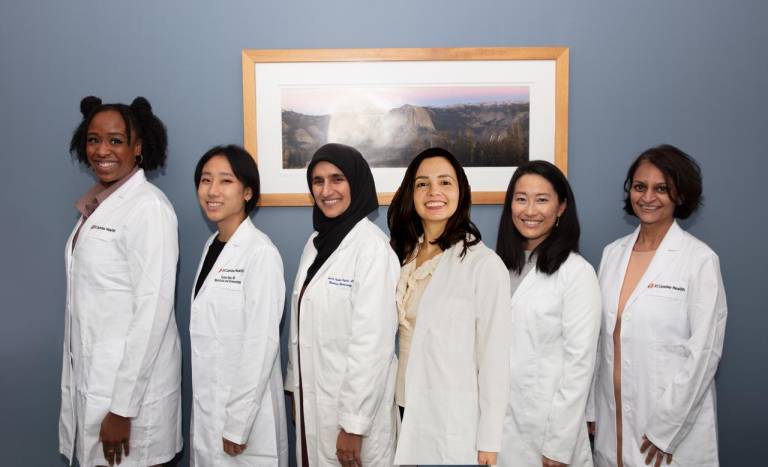
Happy New Year to all of you from all of us at El Camino Women’s Medical Group. We ended 2024 with the wonderful news that Dr. Amy Teng was voted one of the best OBGYNs in! For 2025, we’re looking forward to a full year with all our physicians up and running and the return of Dr. Balassiano in August.
We are excited to introduce you to our new physician assistant, Angel Wong, PA-C, who will join us to improve access for new patients and established patients for closer follow-up. And with more good news, Faradebah Waziri, LCSW will be joining us to expand our mental health program with increased hours, both will be joining in February.
This first issue of the New Year has great information on addressing health issues women often put off. Every New Year brings with it New Year’s resolutions, and we hope you’ll find support to achieve your personal health goals this year! Our nutritionist, Mariam, has written on the much discussed Sweet Tooth, Dr. Chaung, ENT, has written about bothersome “ear tags” you may have been wanting to address, and Dr. Volpe, Urogyncology, has written about what many women put off year after year: bladder leakage. There is so much more on body image, bone thinning, and a fantastic opportunity to participate in a huge effort to personalize breast cancer screening recommendations for women. We hope all of you find something to inspire you to better health in 2025.
Please read the Practice Updates section regarding our newest physicians, nutritionist, and physician’s assistant, the expansion of our mental health program with the addition of Fardebah Waziri, LCSW, and the incorporation of Lovu into our pregnancy care.
I wish you all a wonderful New Year,
Sarah Azad, MD
In this issue:
Welcome Angel Wong, PA-C and Faradebah Waziri, LCSW
New innovations to treat bladder leakage in women
Do I have a Sweet Tooth? Unpacking the Myth with Science
Hemorrhoids, when should I see a Surgeon?
Disordered Eating & Body Images Issues in the Postpartum Period
The Postmodern Life: Active Women and Bueno Bones
The WISDOM Study and the Breast Cancer Screening
Perimenopause, What Women Need To Know!
The Evolution of Newborn Stem Cell Banking
El Camino Hospital Visitor Policy Updates
Highlights from our Women’s Health Blog
Practice Updates

Drs. Dorismond and Wan are both working with full schedules
We are so grateful for both of these amazing physicians, they are fully onboarded and have nearly full schedules. They are still open to new patients for now. Dr. Dorismond is fluent in French and Spanish and Dr. Wan speaks French, Spanish, and Mandarin. You can call, email, or book online.
Angel Wong, PA-C to join us in February
We are excited to welcome Angel Wong, PA-C to our office. A Physician Assistant, Angel is trained to care for patients for a variety of health issues and wellness evaluations. Her addition will allow for more availability for being seen in the clinic.
December was Zainab, LCSW’s last month
After six wonderful years of having Zainab see patients of El Camino Women’s Medical Group, she has chosen to move on to focus on other endeavors. We wish her the best as she continues to serve women’s mental health needs in different settings.
Faradebah Waziri, a new LCWS to join our team in February
We are excited to announce that Faradebah Waziri, a licensed clinical social worker (LCSW), will join El Camino Women’s Medical Group with extensive experience in outpatient mental health care. She will be on board early February. If you are interested in an initial appointment, call, email, or message (through healow) the front desk.
Dr. Balassiano is on sabbatical and coming back in 2025
Dr. Balassiano began her sabbatical on June 28th, and while she is away, we are fully committed to providing excellent care for her patients. We’re thrilled to share that she will return in August 2025. For those on her waitlist, we are working on her schedule and will reach out in early summer. If you’d like to join her waitlist, please feel free to contact our office.

Dr. Teng is voted TOP OBGYN in Silicon Valley!
Silicon Valley voted, and near the end of 2024, Dr. Amy Teng was announced as one of the top OBGYNs in Silicon Valley. The award coincided with her 10 year anniversary at El Camino Women’s Medical Group. A well-deserved recognition for the excellent care Dr. Teng has been providing our patients for over a decade.
Our nutritionist is available for appointments
Mariam, our nutritionist, is seeing patients for dietary evaluation and counseling. She has a masters in Human Nutrition from the University of Aberdeen (Scotland), and has over eight years of experience working in nutrition at the individual and communal levels. She is ready to help all of you with your New Year health goals. We are excited to have her on our team. If you are interested in an initial appointment, call, email, or message (through healow) the front desk. She sees patients by televisits on Tuesdays, Wednesdays, and Thursdays, and appointments are in-network with your insurance.
Continuing with Lōvu
We’ve had a great start to launching Lōvu. Lōvu is a new digital maternal health platform that brings together best-in-class technology-enabled care for mother and baby from pre-pregnancy through two years post-pregnancy. Co-founded by Dr. Santosh Pandipati, who we’ve worked with for years in his role as a Maternal-Fetal Medicine expert, we have been so impressed by the extent of what Lōvu has to offer our pregnant and postpartum patients, we launched in early May! For all of our patients 26 weeks and under, please remember to register here.
Online Prenatal and Women’s Health Classes

Prenatal Classes
We are now offering four virtual prenatal classes a month online. These classes cover preparing for childbirth, breastfeeding, and newborn care. These classes have been very popular, and we plan to have them every month. They are also available for women interested in signing up, though we prioritize our patients.
Virtual Breastfeeding Class
This is a 2-hour class presented by Nadia, RN, our lactation educator. The class is a virtual, in-depth review of breastfeeding. Learn how to get the best start, avoid pain, make sure your baby is getting enough, and when to ask for help!
Virtual Newborn Care & Safety Class
2.5-hour class presented by Nadia, RN
Practical tips for caring for a newborn
- Appearance of newborn
- Normal skin conditions
- bathing & diaper changing
- safe sleeping
- Newborn safety:
- Car seat safety
- Choking hazards
- Poison control
- Childproofing your home
Childbirth Preparation Part One
2.5-hour class presented by Nadia, RN:
- The last month of pregnancy
- Preparing for the hospital
- Laboring at home, when to call and when to come in
- Admission to the hospital
- Active labor
- Pain management
Childbirth Preparation Part Two
2.5-hour class presented by Nadia, RN:
- The last stage of labor: pushing
- Vaginal delivery
- Cesarean delivery
- Initial recovery in the hospital
- The postpartum period
You can learn more about these classes or register here.
Research at ECWMG
Sunbeam Study
Stanford University is interested in cord blood samples obtained during delivery. You can learn more about the Sunbeam Study, which aims to learn how environmental and genetic factors play a role in food allergy and eczema development. You can register here.
Welcome Angel Wong, PA-C
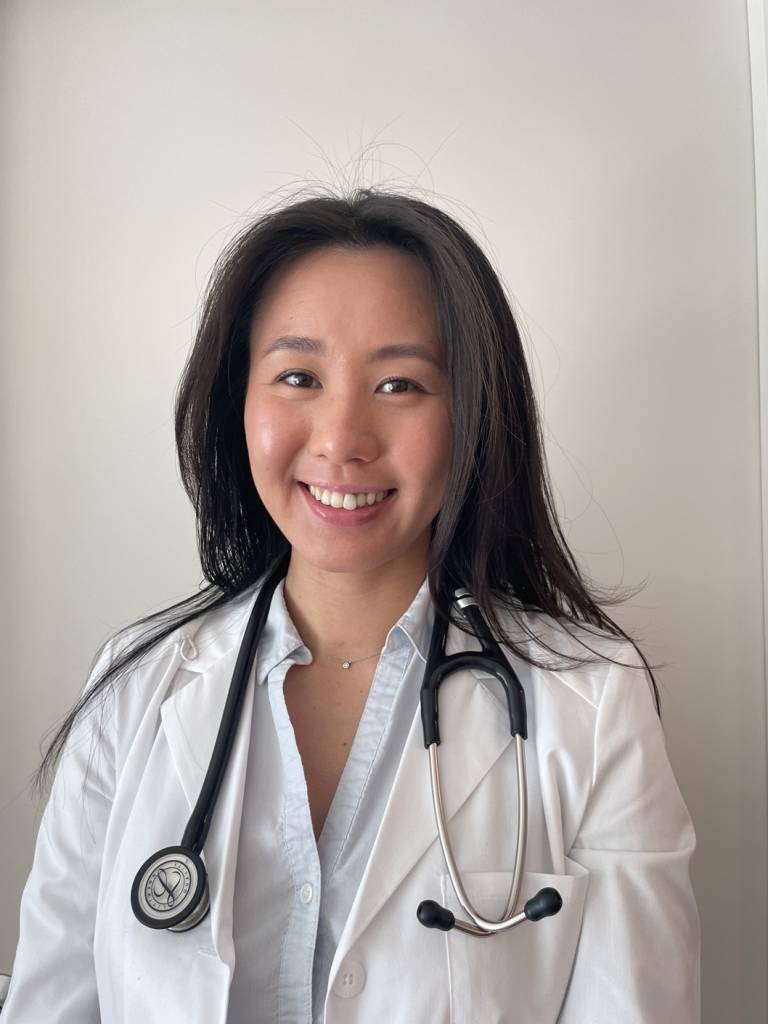
Angel Wong, MSPAS, PA-C joins El Camino Women’s Medical Group with experience in primary care. She will join us in focusing on women’s health and the myriad of health issues that develop over a woman’s reproductive lifespan. We are looking forward to her being able to increase access and follow up with patients more closely as our patient volume and needs keep growing.

Welcome Faradebah Waziri, LCSW
Faradebah Waziri, a licensed clinical social worker (LCSW), joins El Camino Women’s Medical Group with extensive experience in outpatient mental health care. Her comprehensive professional background includes formal training in clinical social work, education, and psychology. She offers a variety of approaches to therapy. Just a few of these modalities include trauma-focused cognitive behavioral therapy (TF-CBT), cognitive behavioral therapy (CBT), and dialectical behavior therapy (DBT). She continually demonstrates genuine concern for her clients and approaches psychotherapy from a multicultural background.
What Are Preauricular Tags (“Ear Tags”)?

By Katrina Chaung, M.D.
Board-certified Otolaryngology-Head and Neck Surgery
Camino Ear, Nose & Throat
(408) 227-6300
https://www.caminoent.com

A preauricular tag, commonly also referred to as an ear tag, is a small growth of extra skin and/or cartilage that appears just in front of the external ear. This is a bit different from a preauricular pit or preauricular sinus which refers to a small indentation or tract in the skin that may have deeper extension (stay tuned for a future discussion regarding this topic).
Preauricular tags are congenital, meaning they are present at birth. During fetal growth, the external ear structures undergo a complex process of development. Occasionally, that process can be incomplete where some layers and tissues may not completely fuse or dissolve.
Preauricular tags can be isolated, meaning they are not associated with any other health or developmental issues, but they can also be associated with genetic syndromes. Some examples include Branchio-Oto-Renal (BOR) syndrome or Goldenhar syndrome where there can be issues with hearing loss, kidney abnormalities, or other structural ear malformations.
If a preauricular tag is noticed, the patient or family may be asked about any family history of ear abnormalities or genetic syndromes. Personal and family history of hearing loss or kidney issues may also be asked. Typically, for an isolated preauriuclar tag, no further workup is needed unless there is concern for an underlying tract or an associated syndrome in which case possible further evaluation may include an audiologic evaluation to assess hearing, kidney function tests, or imaging.

Most preauricular tags are asymptomatic and never cause any issues with pain, infection, or other long-term issues. Rarely, they may become infected or inflamed. For some, they can also be cosmetically bothersome. If they are not causing any of the aforementioned issues, they do not need to be treated. In cases where infections are an issue or there are cosmetic concerns, preauricular tags may be removed.
Excision of preauricular tags can be done under local anesthesia but can also be performed under sedation, depending on the patient’s age and other circumstances. The procedure is usually about 20-30 minutes and can involve removing skin and/or underlying cartilage tissue, if present, with placement of stitches. Risks may include infection and scarring.
Katrina Chaung, M.D.
Board-certified, Otolaryngology – Head and Neck Surgery
Camino Ear, Nose & Throat
(408) 227-6300
https://www.caminoent.com
New innovations to treat bladder leakage in women

By Katherine Volpe, MD
Urogynecologist
Bay Area Gynecology Oncology
910 Campisi Dr. Ste 2A
Campbell, CA 95008
408-827-4275

Despite my focus on providing excellent surgical outcomes, I think the most exciting innovation this year is a device to help women get better results from their Kegels. Let me explain:
Our healthcare system struggles to fund a number of non-invasive treatment options such as physical therapy which are considered first line and are the standard of care in many other countries. Many Bay Area therapists no longer take insurance, meaning that wait times can exceed three months for my patients.
There are a number of companies which market biofeedback devices or automatic Kegel exercisers direct to consumers, but these are often not covered by insurance. Renovia has developed a biofeedback device which can provide more detailed information to women. Furthermore, since their aim is to have insurance cover the device, they have invested in research. The results are exciting! Their biofeedback device was superior to Kegels in a well done trial. Furthermore, the improvement lasted for 2 years, even when women stopped using the device after three months. I currently tell my patients that they must keep doing their Kegels to maintain improvements, but Renovia’s data suggests that muscular retraining over a period of three months may give lasting effects (up to two years anyway).

The device is called Leva and is a small flexible wand that is inserted into the vagina. Renovia recommends using it twice daily for three minutes. The biofeedback from the device is visible via a smart phone app which guides users through various movements. There are clinical support personnel as well. My patients have been very interested in the therapy. Renovia has contracted with Cigna. Other insurances will hopefully be coming soon. Talk to your physician – any primary care doctor or OBGYN should be able to provide the prescription.
Or feel free to schedule an appointment with us.
More information on the device at https://www.levatherapy.com/
By Katherine Volpe, MD
Urogynecologist
Bay Area Gynecology Oncology
910 Campisi Dr. Ste 2A
Campbell, CA 95008
408-827-4275
Do I have a Sweet Tooth? Unpacking the Myth with Science

By Mariam AlAgha
Masters in Human Nutrition
ElCamino Women’s Medical Group

Sugar cravings: are they just part of having a “sweet tooth,” or is there a science-backed solution? The truth is, sugar cravings aren’t inevitable—they’re influenced by hormonal shifts, meal composition, and blood sugar stability. For women, these cravings can intensify during key life stages like PMS, pregnancy, or menopause. But the good news? Balanced meals, mindful eating, and reducing added sugars can transform your health and well-being.
What Are Added Sugars?

Added sugars are sweeteners added during food processing or preparation, distinct from the natural sugars found in whole fruits and dairy. Common examples include:
- Table sugar (sucrose)
- High-fructose corn syrup
- Brown sugar
- Honey, maple syrup, and molasses
Even “natural” sweeteners like honey or brown sugar aren’t better nutritionally—they still spike blood sugar and contribute to health risks when consumed excessively.
How Much Added Sugar Is Too Much?

The American Heart Association (AHA) recommends limiting added sugar intake to:
- Women: No more than 25 grams (6 teaspoons or 100 calories) per day.
- Men: No more than 36 grams (9 teaspoons or 150 calories) per day.
To put this into perspective, one 12-ounce soda contains about 40 grams of added sugar—exceeding the daily limit for women.
Why Sugar Cravings Intensify at Different Life Stages
1. PMS and Hormonal Health
- Cravings and Energy Drops: Hormonal shifts during the luteal phase increase sugar cravings.
- Inflammation and Symptoms: Added sugars worsen PMS symptoms like cramps, bloating, and mood swings.
Solution: Balanced meals and anti-inflammatory foods like turmeric and ginger can alleviate these symptoms.
2. Pregnancy
- Gestational Diabetes: Excess sugar increases the risk of high blood sugar levels, affecting both mother and baby.
- Fetal Development: High sugar intake can lead to larger birth weights and childhood obesity.
Solution: Balance blood sugar with complex carbs like quinoa and fiber-rich fruits like berries.
3. Breastfeeding
- Infant Development: High sugar consumption may impair infant cognitive development and increase maternal weight retention.
Solution: Hydrate with herbal teas and choose nutrient-dense snacks like nuts and seeds to reduce sugar reliance.
4. PCOS and Hormonal Imbalances
- Insulin Resistance: Added sugars worsen insulin resistance, a key driver of PCOS symptoms like irregular cycles and acne.
- Weight Challenges: Sugars fuel fat storage, making weight management more difficult.
Solution: Replace refined carbs with low-glycemic options like lentils, brown rice, and zucchini noodles.
5. Perimenopause and Menopause
- Hot Flashes and Weight Gain: Sugar exacerbates vasomotor symptoms and slows metabolism, increasing fat storage.
Solution: Anti-inflammatory foods like salmon, cruciferous vegetables, leafy greens, and olive oil can alleviate symptoms.
6. Endometriosis
- Pain and Inflammation: Sugars intensify inflammation, worsening pain and lesion growth.
Solution: Incorporate fiber-rich vegetables and omega-3 fats to reduce inflammation.
The Key to Reducing Sugar Cravings: Balanced Meals
Eating balanced meals consistently is the magical solution to taming sugar cravings. Here’s why:
- Satiety and Energy Stability: Meals rich in complex carbs, protein, and healthy fats keep you full longer and reduce the urge for sugary snacks.
- Blood Sugar Regulation: Balanced meals prevent spikes and crashes, minimizing cravings.
- Nutritional Balance: Consistent nourishment reduces the body’s demand for quick energy fixes like sugar.
The Eating Sequence Tip: The order in which you eat food matters:
- Start with Vegetables: Their fiber slows sugar absorption.
- Move to Proteins: Protein stabilizes blood sugar and promotes satiety.
- Finish with Complex Carbs: Delaying carbs prevents rapid sugar surges.
How to Spot and Reduce Added Sugars
Identify Hidden Sources
Added sugars often lurk in unexpected places like flavored yogurts, salad dressings, and breads. Look for terms like:
- Words ending in “-ose” (fructose, glucose, maltose)
- Syrups (corn syrup, rice syrup, maple syrup)
- Natural-sounding sweeteners like brown sugar or evaporated cane juice
Pro Tip: Use the Nutrition Facts label to check for “Added Sugars.” Aim for less than 10% of daily calories from added sugars.
Smart Strategies to Reduce Sugar Intake
- Choose Whole Foods: Prioritize fruits, vegetables, and whole grains over processed snacks to reduce added sugars and boost overall nutrition.
- Hydrate Wisely: Replace sugary drinks with herbal teas, sparkling water, or black coffee to avoid unnecessary added sugars.
- Plan Your Meals: Incorporate anti-inflammatory foods like turmeric, ginger, healthy fats, and fiber-rich vegetables into your recipes to support satiety and reduce sugar cravings.
- Sweeten Naturally: Use natural spices like cinnamon, nutmeg, or vanilla to enhance flavor without added sugar.
- Opt for Plant-Based Sweeteners: Choose natural sweeteners like stevia or monk fruit sugar as alternatives to traditional sweeteners. They provide sweetness without significantly impacting blood sugar levels.
At El Camino Women’s Medical Group, we are dedicated to supporting your journey toward a healthier and more balanced life. We hope you enjoy this article and find it inspiring to make wiser, healthier food choices for your well-being.
Mariam AlAgha
Masters in Human Nutrition
ElCamino Women’s Medical Group
WHAT? I Have Hemorrhoids? When Should I See a Surgeon?

By Yinan Wei MD
General Surgeon
www.mountainviewsurgery.com
650 282 3000
 If you’ve recently discovered you have hemorrhoids, you’re not alone. Hemorrhoids are a common medical condition that impacts millions of people, especially women over 18. While they can often be managed with lifestyle changes and home remedies, sometimes they require further medical attention.
This blog provides an easy-to-understand guide to help you learn about hemorrhoids, their symptoms, risk factors, treatment options, and when it may be time to consult a general surgeon.
What Are Hemorrhoids?
Hemorrhoids are swollen veins in the lower rectum and anus, similar to varicose veins. They can develop inside the rectum (internal hemorrhoids) or under the skin around the anus (external hemorrhoids).
These swollen veins often result from increased pressure in the lower rectum, which can happen during actions like straining during bowel movements, pregnancy, or extended sitting.
Although hemorrhoids can be uncomfortable, they are usually not life-threatening. They range from mild discomfort to more severe cases, where the symptoms interfere with daily life.
The key difference between internal and external hemorrhoids lies in their location and the symptoms they cause. Internal hemorrhoids form inside the rectum and are usually not visible or felt. They often cause painless bleeding during bowel movements but may prolapse, or protrude, through the anus, leading to additional discomfort. External hemorrhoids, on the other hand, develop under the skin around the anus and are often more noticeable. These can cause significant pain, itching, and swelling, particularly if a blood clot forms. Understanding these distinctions is essential for determining the proper treatment and management of symptoms.
Risk Factors for Developing Hemorrhoids
There are several factors that may increase the likelihood of developing hemorrhoids, including:
1. Chronic Constipation or Diarrhea
Straining during bowel movements due to constipation, or frequent diarrhea, can put excessive pressure on the rectal veins.
2. Pregnancy and Childbirth
Hemorrhoids are particularly common among pregnant women. The growing uterus places added pressure on the veins in the pelvis, and hormonal changes can also lead to more strain.
3. Obesity
Carrying excess weight, particularly around the abdominal area, can exert additional pressure on veins in the rectal and pelvic areas.
4. Prolonged Sitting
Whether you’re sitting at a desk job or spending long hours in the restroom, remaining seated for extended periods can contribute to developing hemorrhoids.
5. Low-Fiber Diet
A diet lacking sufficient fiber can result in harder stools and increase the likelihood of straining during bowel movements.
6. Aging
Hemorrhoids are more common in people over 50 due to weakening tissues in the rectal and anal area.
Symptoms of Hemorrhoids
While hemorrhoids can vary in severity, common symptoms include:
- Bleeding during bowel movements (bright red blood)
- Itching or irritation around the anus
- Pain or discomfort, especially when sitting or during bowel movements
- Swelling or a sensitive lump near the anus
- Protrusion of hemorrhoids (in the case of prolapsed internal hemorrhoids)
These symptoms can vary from mild to severe. If you’re unsure whether your symptoms indicate hemorrhoids or a more serious condition, it’s always advisable to consult a healthcare provider.
 Lifestyle Modifications to Prevent Hemorrhoids
 Lifestyle Modifications to Prevent Hemorrhoids
Many simple lifestyle changes can help prevent hemorrhoids or manage their symptoms:
1. Increase Dietary Fiber
Eating more fiber-rich foods, such as fruits, vegetables, whole grains, and legumes, can help make stools softer and easier to pass.
2. Stay Hydrated
Drinking plenty of water is essential for keeping your digestive system running smoothly.
3. Don’t Strain
Avoid prolonged sitting on the toilet, as well as excessive straining during bowel movements. Relax and take your time.
4. Maintain a Healthy Weight
Adopting a balanced diet and regular exercise routine can reduce abdominal weight, alleviating additional pressure on the veins.
5. Exercise Regularly
Physical activity helps improve blood circulation and reduce the risk of constipation.
6. Practice Good Bathroom Habits
Go to the restroom as soon as you feel the urge. Holding it in can lead to harder stools and straining later.
Hemorrhoids during pregnancy

Hemorrhoids are common after pregnancy and usually go away on their own within a few weeks to six to 12 weeks. However, some may last longer and require treatment. You should contact your healthcare provider if:
- Your hemorrhoids aren’t improving
- They get worse
- You have long episodes of bleeding
- The pain or itching becomes intense
- The vein looks purple and very large, which may indicate a clot
Grades of Hemorrhoids
Hemorrhoids are classified into four grades based on their severity and presentation:
- Grade I
These hemorrhoids are small, internal swellings that do not prolapse. They may cause occasional bleeding but typically do not protrude outside the anus.
- Grade II
These hemorrhoids may prolapse out of the anus during bowel movements but retract spontaneously without assistance.
- Grade III
Hemorrhoids of this grade protrude during bowel movements or physical strain and do not retract automatically. They can, however, be manually pushed back into place.
- Grade IV
These are severe hemorrhoids that remain prolapsed and cannot be pushed back inside. They may cause significant discomfort, pain, and complications, often requiring medical intervention.
Understanding these grades helps in determining appropriate treatment options, ranging from conservative measures to surgical procedures.
What is Hemorrhoid Prolapse?
Hemorrhoid prolapse happens when swollen veins around the bottom, called hemorrhoids, stick out of the opening where poop comes out. This can happen when someone pushes too hard while going to the bathroom or lifts something heavy. Sometimes, these swollen veins can go back inside on their own, but other times, they might need to be gently pushed back in or checked by a doctor. While it might sound scary, there are ways to help it feel better with the right care.
Treatment Options for Hemorrhoids
Treatment depends on the severity of your symptoms. Here are the common options:
Self-Care and Home Remedies:
- Warm Sitz Baths: Sitting in warm water for 10-15 minutes a few times daily can help reduce swelling and discomfort.
- Over-the-Counter Products: Creams, ointments, and suppositories may relieve itching, swelling, and pain. Popular options often contain hydrocortisone or witch hazel.
- Ice Packs: Applying a cold compress or ice pack reduces swelling and provides temporary relief.
- High-Fiber Supplements: If your diet alone isn’t doing the trick, fiber supplements like psyllium can help soften stools.
Over-the-counter remedies for hemorrhoids are readily available and provide relief from common symptoms such as itching, pain, and swelling.
PRO TIP put the wipes/pads in the freezer
- Topical treatments (creams, ointments, gels) containing hydrocortisone, lidocaine, or witch hazel to reduce inflammation and numb discomfort.
- Medicated wipes infused with soothing agents to maintain hygiene and minimize irritation.
- Suppositories to directly address internal hemorrhoids by reducing inflammation and easing discomfort.
- Cooling solutions, such as freezing certain products, to provide extra relief from swelling and pain.
- Over-the-counter pain relievers to manage any associated discomfort and promote faster recovery.
Medical Procedures:
If home remedies don’t resolve the problem, your doctor may recommend the following minimally invasive treatments:
- Rubber Band Ligation: A doctor places a small rubber band around the hemorrhoid, cutting off blood supply until the hemorrhoid falls off.
- Sclerotherapy: A solution is injected into the hemorrhoid to shrink it.
- Infrared Coagulation (IRC): Heat or light is used to cut off blood supply to the hemorrhoid, causing it to shrink.
Surgical Options:
If the hemorrhoids are large or recurring, surgical options may be suggested:
- Hemorrhoidectomy: Complete surgical removal of hemorrhoids.
- Stapled Hemorrhoidopexy: A stapler-like device repositions and removes tissue to block hemorrhoid blood flow.
When Should You See a General Surgeon?
While hemorrhoids can often be treated with self-care, certain situations may require a referral to a general surgeon:
- Persistent Bleeding: If you notice consistent bleeding during bowel movements, it’s important to rule out other medical conditions.
- Severe Pain: Extreme discomfort that disrupts daily life should never be ignored.
- Prolapsed Hemorrhoids: If internal hemorrhoids protrude and remain outside the anus, medical intervention is likely needed.
- Lack of Response to Treatments: If home remedies and medical treatments haven’t improved your symptoms, surgery may be necessary for long-term relief.
- Recurring Hemorrhoids: Chronic or recurrent hemorrhoids may indicate an underlying issue that requires surgical attention.
A general surgeon is highly skilled in handling advanced hemorrhoid treatments and can provide both relief and reassurance.
Taking Action and Finding Relief
Hemorrhoids may feel embarrassing or overwhelming, but they are manageable with the right approach. By identifying your risk factors and making small lifestyle modifications, you can prevent or alleviate their symptoms significantly. However, don’t hesitate to seek professional advice if your condition worsens.
If you think it’s time to consult a general surgeon, reach out to your healthcare provider today for guidance on the best next steps. At Mountain View Surgery we can see you with an appointment within 48 hours. Call us at 650-282-3000
Remember, you don’t have to endure the discomfort. Relief is possible, and taking action can help restore your comfort and quality of life.
About Dr Wei:
Dr. Yinan Wei is a Board-Certified General Surgeon specializing in Acute and Elective General Surgery. Growing up in the Bay Area, Dr. Wei pursued her undergraduate studies at UC Berkeley before earning her medical degree from Wayne State University School of Medicine. Her dedication to excellence led her to Marshall University Joan C. Edwards School of Medicine in West Virginia, where she completed her General Surgery Residency and later served as an assistant professor of surgery. She then relocated to Fresno to be closer to family and spent a year mastering advanced laparoscopy. As a member of the Bay Area Chinese community, she speaks fluent Mandarin and hopes to help care for the community she grew up in.
Disordered Eating & Body Images Issues in the Postpartum Period

By Noreen Raja-Halpern
Clinical Social Work/Therapist, LCSW
Relucent Psychology Group
Ph: (408) 680-4114

The postpartum period is a time of both physical and emotional change steeped in major life transitions. From pregnancy and childbirth, to caring for a newborn, to establishing new routines as the parent to an infant, the postpartum period can be both joyful and challenging.
Often overlooked and reinforced by societal norms, body image issues and disordered eating behaviors in the postpartum period can increase and have an adverse impact on a mother’s well-being. As a therapist who is passionate about the wellbeing of postpartum women, I have noticed that recognizing and addressing these issues early on can positively impact both short- and long-term recovery and healing. With this blog post, I hope to both normalize the prevalence and validate the challenges that come with body image and disordered eating issues. This can be a natural part of the postpartum journey, however it is not something to be ignored. There are many resources and supports out there that convey healthy messaging around body and diet and I share a few with the hope of building empowerment for the postpartum period.
The Postpartum Body & Mind
After childbirth, the body is undergoing massive recovery. Physical changes include things like weight fluctuations, breast milk production, and shifts in muscle tone, skin texture & hair. These changes are difficult enough without society placing “bounce back” expectations on the postpartum body. Social pressure on bodies to quickly return to their pre-pregnancy shape and size is widespread and entirely unrealistic. This pressure can manifest in negative self-image and can lead to unhealthy behaviors in an attempt to regain control over the body.
At the same time, rapid hormonal drops, sleep deprivation, and the demands of having a newborn can impact psychological well-being (e.g. increases in stress, adjustment issues, postpartum anxiety, and postpartum depression). These mental health factors, when combined with societal ideals for both body appearance and for parenting, can also increase the likelihood of disordered eating and body dissatisfaction.
Possible Signs & Symptoms
While not an exhaustive list, here are several postpartum-specific signs of disordered eating & body image issues:
- Obsessive Body Thoughts: Wanting to feel comfortable in one’s postpartum body is normal, but if thoughts about food and weight are consuming, it’s important to notice and consider whether these thoughts are becoming unhealthy.
- Increased Social Isolation: If social engagement reduces due to feeling self-conscious about the postpartum body, then it may be a sign of broader body image issues. Increased isolation can also reinforce negative thoughts and feelings.
- Restricting or Over-Exercising: Sociocultural norms do not promote weight loss in healthy ways, which is why restricting food intake and/or over-exercising are common behaviors. Using these behaviors with the intention to “correct” the body promotes shame and can be unhealthy and promotes a “perfect” body ideal.
- Binge Eating or Emotional Eating: Compulsive eating is a behavior often used to numb difficult emotions or fill an emotional void. Eating or using food to soothe feelings of stress, anxiety, or inadequacy can signify an unhealthy relationship with food. Both binge and emotional eating build a dependency on food that expands beyond eating for nourishment.
- Guilt or Shame Associated with Food: “Unhealthy” or “forbidden” foods are in line with aspects of disordered eating. Having to “earn” food or feeling badly about eating specific things is also a strong indicator of an unhealthy relationship with food .
- Extreme Dieting & Supplement Use: People often resort to these methods to experience rapid weight loss, but the methods can be harmful. Reliance on things like diuretics, laxatives, or fad diets can lead to nutrient deficiencies and imbalances.
Proactive Strategies and Resources
Understanding and acknowledging the struggles listed above is an important step. And through seeking support and building healthy and sustainable coping strategies, a more balanced and positive relationship with body and food is even more attainable. Here are ideas for support:
- Talk to a Professional: Talking to healthcare providers (e.g. therapists, nutritionists, doctors, etc.) that specialize in eating disorders or body image can help. A professional can work with you to assess and treat concerns.
- Build Self-Compassion: Remind yourself that your body has just undergone a massive change, and it is worthy of kindness and gratitude. Affirmations that emphasize body positivity and strength can be helpful during and after the pregnancy.
- Redefine Your Relationship with Food: There are no “good” or “bad” foods when developing a healthier, more flexible mindset around eating and the body. Balanced and intuitive eating styles help to curb disordered habits because they focus on building trust with the body’s physical and emotional needs.
- Do Gentle Movement: Rebuilding strength that honors the healing body can help with mental well-being. Activities like walking, yoga, pilates, or postnatal fitness classes/programs encourage healthy healing with physical movement. Always consult with your doctor when incorporating movement during the postpartum period.
- Lean on Your Supports: Whether it’s through family, friends, or support grous, surround yourself with people who understand and validate what you are going through.. This can help you realize that you are not alone and provide accountability.
- Mindfulness Practices: Mindfulness activities like meditation, deep breathing exercises, or journaling can help reduce stress and enhance well-being. Mindfulness is rooted in tuning in with your body, which can create opportunities to connect with the body in healthier ways.
- Social Media Filters: Social media can reinforce toxic ideals of body appearance and diet culture. If you are on social media, try to block or avoid accounts that promote unrealistic and unhealthy lifestyles and align yourself with accounts that uplift body positivity, self-care, and mental health.
The postpartum period is a special and delicate time. If you or someone you know is struggling with disordered eating or body image issues after pregnancy, please reach out for support. I would be honored to support you in this journey to help build trust and love with your body. I have found that this work can make room for becoming more present and grounded during not only this time but also in life beyond.
If you are interested in speaking to someone to begin receiving support, or to ask any questions about receiving support, please reach us at (408) 680-4114. Our team at Relucent Psychology Group would be happy to help. You can also directly book with us here or reach us by email at moc.g1794961170ptnec1794961170uler@1794961170ofni1794961170.
By Noreen Raja-Halpern
Clinical Social Work/Therapist, LCSW
Relucent Psychology Group
Ph: (408) 680-4114
The Postmodern Life: Active Women and Bueno Bones

Postmenopausal Osteoporosis
Postmenopausal Osteoporosis poses an increased risk of bone fractures even if you are an active woman. Postmodern life and the success of women in the workforce has fostered a beautifully powerful feminist movement — the hallmarks of which are: financially independent women who are active and physically engaged with their worlds at increasing ages.
Postmenopausal now represents a time in life for personal life goals to be achieved and where one’s career will take a backseat as we achieve physical feats before our bodies age.
Cutting-edge osteoanabolic agents like Tymlos and Evenity supplement the traditional treatments and provide patients with new hope for achieving their goals and being active in life. Vertebral fractures and hip fractures represent a large risk to decreased mobility and quality of life, preventing us from being active and participating in sporting events and general exercise. The latest osteoanabolic agents work to counteract osteoporosis and offer a new lease on our body’s skeletal structure.
Bueno Bones is excited to offer these treatments at our state-of-the-art clinic here in Mountain View California.
Be proactive in preparing your bodies to take on the feats of daily life: teaching your grandchildren to ride bicycles, finishing the Women’s Marathon that you’ve been putting off since 2022, or completing the Ironman and Crossfit competitions that are cropping up across the nation. Check in with your doctor for a consultation and take the steps necessary to ensure your success.
Bueno Bones is available to provide bone health treatments in a clinic environment. When you call our office, ask for a meeting with Dr. Myneni when you speak with the front desk. She will carefully engineer a tailored solution to meet your specific needs and lifestyle goals. Located in the heart of Silicon Valley, Bueno Bones understands the broad spectrum of interests and intensity of your career and active lifestyle.
The WISDOM Study is working to transform breast cancer screening and prevention. Here’s what you need to know.

Why change breast cancer screening?
Breast cancer screening means checking your breasts for cancer before there are signs or symptoms of the disease; it’s thought that this helps catch cancers earlier so you may have better outcomes if cancer is found. Routine screening in the U.S. typically includes annual mammograms beginning at the age of 40. The problem is that doctors now know a lot more about breast cancer than they did when those guidelines were created. They know that breast cancer is not one disease and that women’s risk varies greatly based on many personal risk factors. This means that some women may be getting screened more than necessary, and some women may not be screened enough. The medical community hasn’t agreed on the best approach to screening yet, and there are now 7 different clinical guidelines recommending when to start, how often, and when to stop screening.
The WISDOM Study is looking for answers.
The WISDOM Study (Women Informed to Screen Depending on Measures of risk) is a national trial led by Dr. Laura Esserman at the University of California, San Francisco, in conjunction with leading breast health and genetics experts around the country.
WISDOM is testing a new, personalized approach to breast screening based on each woman’s individual risk factors (including her age, genetics, lifestyle, health history, and breast density) to see if this new approach is safer and more effective at finding breast cancers than the standard approach.
An effort to help women of all races and ethnicities. Women of color have disproportionately higher rates of the most aggressive, dangerous breast cancers than other women, they are diagnosed at later stages in the disease, and at younger ages. WISDOM is working to create a race and ethnicity specific risk assessment tool, so that doctors have a better understanding of who is at risk for which types of cancers, and can provide better prevention, detection and treatment options for women of color. The success of this effort relies on women of diverse backgrounds enrolling in the study.

How does it work?
WISDOM is done almost entirely online and doesn’t require any changes to your medical care or extra visits. Women enroll online, fill out a questionnaire about their health, and have an option to participate in one study group or another. One study group will request that women get a mammogram each year.
Get personal, if you want.
The other study group will analyze personal risk for breast cancer including a free at-home saliva kit to test for 29 genes associated with breast cancer and over 300 small genetic variants that when looked at collectively impact your risk. Women in this group will receive personalized recommendations on when, how often, and what type of screening to get (i.e. mammograms and/or MRI). Important to note, any woman who enrolls in WISDOM and is found to be at high risk will be alerted by the study team and have access to a consult with a breast health specialist to learn her options.
Joining can make a difference in your life and generations of women to come.
Any woman in the U.S. between the ages of 30-74 who has never had breast cancer can join.
Visit www.thewisdomstudy.org to learn more and join!
Perimenopause, What Women Need To Know!

Perimenopause, often referred to as the menopausal transition, is a natural phase in a woman’s life marking the shift from reproductive years toward menopause. This period is characterized by hormonal fluctuations that lead to a variety of physical and emotional symptoms. Understanding perimenopause—its onset, symptoms, evaluation methods, and treatment options—can empower women to navigate this transition with greater ease and confidence.
Age of Onset
Perimenopause typically begins in a woman’s 40s; however, it can start as early as the mid-30s or as late as the early 50s. The duration of perimenopause varies, lasting anywhere from a few months to several years, until menopause is reached—defined as 12 consecutive months without a menstrual period.
Symptoms
The symptoms of perimenopause are diverse and can vary significantly among women. Common signs include:
- Irregular Periods: Menstrual cycles may become erratic, with variations in flow and frequency.
- Hot Flashes and Night Sweats: Sudden feelings of heat, often accompanied by sweating, can occur during the day or night.
- Mood Changes: Increased irritability, anxiety, or depression may be experienced.
- Sleep Disturbances: Difficulty falling or staying asleep is common.
- Vaginal Dryness: Reduced estrogen levels can lead to decreased lubrication, causing discomfort during intercourse.
- Cognitive Changes: Some women report memory lapses or “brain fog.”
- Physical Changes: Weight gain, joint and muscle aches, and changes in sexual desire may also occur.
Evaluation and Diagnosis
Diagnosing perimenopause primarily involves assessing symptoms and menstrual history. While hormone levels fluctuate during this transition, making a single hormone test unreliable, healthcare providers may consider the following:
- Clinical Evaluation: A thorough review of symptoms and medical history is essential.
- Hormone Testing: Although not routinely necessary, tests measuring levels of follicle-stimulating hormone (FSH) and estrogen may be conducted. However, due to hormonal fluctuations, these tests are not definitive for diagnosing perimenopause.
- Exclusion of Other Conditions: It’s important to rule out other causes for symptoms, such as uterine changes, thyroid disorders, or pregnancy.
Why There Is No Definitive Hormone Test
Hormone levels during perimenopause are inconsistent, varying not only day-to-day but also throughout the same day. This variability renders single hormone measurements insufficient for a definitive diagnosis. For instance, FSH levels may be elevated one day and normal the next, reflecting the body’s fluctuating hormonal milieu.
Treatment Options
Management of perimenopausal symptoms is personalized, focusing on alleviating discomfort and improving quality of life. Options include:
- Lifestyle Modifications:
- Diet: Consuming a balanced diet rich in fruits, vegetables, and whole grains can help manage weight and support overall health.
- Exercise: Regular physical activity, including strength training, promotes physical and mental well-being.
- Sleep Hygiene: Establishing consistent sleep routines and creating a restful environment can improve sleep quality.
- Hormone Therapy (HT): Low-dose estrogen therapy can alleviate symptoms like hot flashes and vaginal dryness. It’s typically recommended for the shortest duration necessary and may not be suitable for all women.
- Non-Hormonal Medications:
- Antidepressants: Certain antidepressants can reduce hot flashes and mood disturbances.
- Gabapentin: Originally used for seizure disorders, gabapentin has been effective in reducing hot flashes for some women.
- Neurokinin 3 (NK3) receptor antagonist: The first NK3 receptor antagonist approved by the FDA, fezolinetant is a non-hormonal treatment for hot flushes.
- Vaginal Estrogen: For vaginal dryness, localized estrogen therapy (creams, tablets, or rings) can be effective with minimal systemic absorption.
- Alternative Therapies: Some women explore herbal supplements, acupuncture, or yoga; however, it’s important to consult with a healthcare provider before initiating alternative treatments to ensure safety and efficacy.
Consulting Your Gynecologist
Open communication with your gynecologist is crucial during perimenopause. They can offer guidance tailored to individual needs, monitor health changes, and discuss the risks and benefits of various treatment options. Regular check-ups also provide opportunities to address concerns and adjust management plans.
Conclusion
Perimenopause is a unique experience for each woman, encompassing a range of symptoms and challenges. By understanding the nature of this transition, recognizing the variability of symptoms, and seeking appropriate evaluation and treatment, women can navigate perimenopause with greater confidence and comfort. Staying informed and proactive in health management during this time lays the foundation for well-being in the years to come. This is also a great time to start learning about menopause so that women can be more informed at appointments with their physicians.
The Evolution of Newborn Stem Cell Banking

By: Eva Breder
SF Bay Area Newborn Stem Cell Educator
moc.s1794961170llecl1794961170ativ@1794961170ave1794961170
415-533-1215
www.vitalcells.com
After nearly two decades working with cord blood banks, I’ve seen how the stem cell industry has evolved—from a basic storage option to a powerful tool for regenerative therapies. While cord blood banking was once seen as a safeguard, it doesn’t fully harness the true potential of stem cells. Today, mesenchymal stem cells (MSCs) offer exciting opportunities for healing, yet many parents remain unaware of these advancements. In this article, I’ll explain how stem cell banking has changed and what these breakthroughs mean for families now and in the future.
From Cord Blood Banking to Regenerative Medicine
In the 1990s, cord blood banking was a groundbreaking option for families, offering the ability to store hematopoietic stem cells (HSCs) for potential treatment of rare blood disorders like leukemia. This concept, while innovative at the time, comes with limitations.
HSCs cannot replicate or expand, and the number of cells collected at birth is often insufficient for treatment, especially as a child grows into teenage years. Additionally, cord blood is primarily intended for use by a donor, not for the child it was collected from. For many families, this realization has turned stored cord blood into an unusable resource.
The discovery of Mesenchymal stem cells (MSCs) in cord tissue during the 2010s was a game-changer. These cells are designed for the personal use of the child they are collected from. They are remarkably versatile, capable of self-replication, and able to differentiate into a variety of cell types, including bone, cartilage, neural tissue, blood vessels and muscle. Their ability to repair damaged tissues, reduce inflammation, and promote healing has placed MSCs at the forefront of regenerative medicine.
The Role of MSCs Across a Lifetime
MSCs have redefined what’s possible in personalized healthcare, with applications spanning from childhood to golden years:
- During Adolescence and Young Adulthood: MSCs are used in therapies for sports injuries like concussions, fractures, and ACL tears, speeding up recovery and reducing long-term complications. Additionally, MSCs offer potential in addressing developmental disorders, supporting immune health, regenerating bone and cartilage, and managing neurological conditions and chronic pain, providing broad benefits for children and teens.
- In Adulthood to Later life: MSCs hold tremendous promise for managing chronic conditions such as arthritis, autoimmune diseases, orthopedic issues, and neurodegenerative disorders. Their regenerative abilities also offer exciting potential for anti-aging therapies, helping to repair and rejuvenate tissues, with endless possibilities for improving health and vitality over time.
Collecting MSCs at birth provides families with access to advanced treatments for life. These stem cells don’t just mask symptoms, they help the body heal naturally. Regenerative medicine uses your own stem cells to repair and regenerate damaged tissues and organs. Day one stem cells are the most powerful, offering a one-time opportunity for lifelong health benefits.
The Limitations of Traditional Cord Blood Banking
Traditional cord blood banks have stuck to the same methods for years, mainly focusing on storing hematopoietic stem cells (HSCs) and not advancing with cord tissue. At birth, only 1-3 million mesenchymal stem cells (MSCs) are collected, but studies show you need about 1 million MSCs for every 2.2 pounds of body weight for effective therapy. Since traditional banks don’t have the technology to grow MSCs, they can’t offer them for regenerative therapies.
A New York Times article titled “Promised Cures, Tainted Cells: How Cord Blood Banks Mislead Parents” (July 2024) detailed how these banks often fail to deliver on their promises. Cord blood typically contains too few cells for effective treatment, and many banks lack the technology to extract or expand MSCs from cord tissue, leaving families with little to no value for their investment.
How VitalCells is Redefining Stem Cell Banking
As someone who has worked in the industry for decades, I knew families deserved better. That’s why I’m so passionate about VitalCells, a service built to address the shortcomings of traditional cord blood banks and provide families with a resource they can actually use.
VitalCells is leading the way in modern newborn stem cell banking by using CellMaxx™ technology to grow mesenchymal stem cells (MSCs) before freezing them, which is required to unlock their full potential for future use:
- Cutting-Edge Technology: VitalCells employs advanced processes to extract, grow, and verify live MSC counts, giving families confidence in their investment and access to viable cells when they need them.
- A Guarantee of Usable Cells: We ensure that families receive a guaranteed minimum of 10 million live MSCs with the ability to expand them into billions over time, making them accessible for a lifetime of medical needs. If this threshold isn’t met, we refund your investment.
- Financial Commitment: Every sample must pass stringent sterility protocols, and clients receive a full refund if samples are contaminated.
- National Network of Specialists: We collaborate with a national group of regenerative medicine specialists and can assist families in finding a trusted local provider for therapy, ensuring accessibility and convenience.
- Client Control: The cells belong to the clients and are used in conjunction with their medical practitioners through the practice of medicine.
The Promise of Regenerative Medicine
Regenerative medicine is revolutionizing healthcare by providing therapies that go beyond symptom management to repair and restore damaged tissues. This is no longer a vision for the future—it’s happening now, with MSCs at the heart of these breakthroughs.
For families, choosing the right newborn stem cell banking service is critical. With VitalCells, you’re not just storing stem cells—you’re securing a resource that aligns with the latest advancements in regenerative medicine. Our focus on MSCs and cell expansion technology ensures that your child’s stem cells are not only preserved but ready for use across a lifetime of possibilities.
Empowering Families Through Knowledge
When considering newborn stem cell banking, it’s essential to ask the right questions:
- How many LIVE stem cells will my child have access to after birth and throughout their life?
- Do you extract and grow LIVE MSC stem cells before preserving the umbilical cord or cord blood, and can you provide live stem cell counts?
- Can I use the stem cells with a provider of my choice?
VitalCells provides clear, informed answers to these questions, giving families the confidence to make a choice that truly supports their future.
The Future Starts with VitalCells
The evolution of stem cell therapy has shifted the focus from storing cord blood to unlocking the potential of MSCs for regenerative therapies. VitalCells is proud to lead this shift, offering families a smarter, more valuable way to invest in their child’s health.
From childhood to later life, MSCs offer unparalleled opportunities for healing and recovery. By choosing VitalCells, you’re partnering with a service that ensures your family has access to the most advanced therapies available, today and in the future.
As an educator, I have always believed in the importance of providing families with the knowledge and resources to make informed decisions about their health. This commitment to informed choice is what led me to join VitalCells. I am passionate about guiding families through this innovative field of medicine, helping them understand the incredible potential of MSCs for their children’s well-being.
As a local resource in the Bay Area, I am available to speak with you directly at any time. Feel free to reach out to me with any questions or to learn more about how VitalCells can support your family’s health journey. You can contact me at moc.s1794961170llecl1794961170ativ@1794961170ave1794961170 or call 415.533.1215 and explore additional information on our website and other resources below:
Eva Breder
SF Bay Area Newborn Stem Cell Educator
moc.s1794961170llecl1794961170ativ@1794961170ave1794961170
415-533-1215
www.vitalcells.com
El Camino Hospital Visitor Policy Updates

General information on visitor’s policy
Last updated visitor guidelines from Nov 1, 2024
All visitors to the hospital must be healthy and without symptoms of infection. Please read more here.
Since November 1st, 2024, masking is required of staff, patients, or visitors anywhere in the hospital. This will continue through March 31, 2025.
As we all know, this pandemic has been through several phases with changing recommendations, so these visitor policies may change. At no point during the pandemic has El Camino Hospital prevented laboring or postpartum women from having at least one visitor with her that met requirements.
Highlights from our Women’s Health Blog
Follow us on Facebook, LinkedIn, or Instagram to be informed when we post new articles and stay updated on women’s health news.
General Office Information
| Address: | 2495 Hospital Dr. Bldg 670 Mountain View, CA 94040 |
| Phone: | 650-396-8110 |
| Fax: | 650-336-7359 |
| Email: | moc.n1794961170emowo1794961170nimac1794961170le@of1794961170ni1794961170 |
| Email (billing): | moc.n1794961170emowo1794961170nimac1794961170le@gn1794961170illib1794961170 |
| Website: | www.ElCaminoWomen.com |